


 发帖
发帖

 雷达卡
雷达卡


David J. Abner
ISBN: 978-0-470-55682-5
Hardcover
253 pages
March 2010
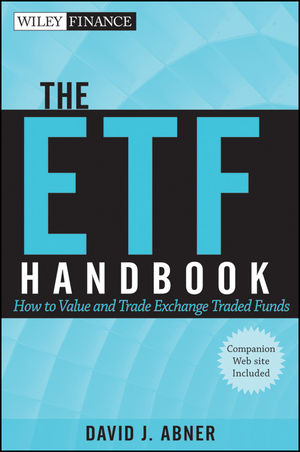
The first technical guide to ETFs geared towards professional advisors, institutional investors, and financial professionals seeking to understand the mechanics of ETFs
Author/trader Dave Abner has created The ETF Handbook as a resource for everyone utilizing these sophisticated tools. With this book as your guide, you'll learn from a professional ETF trader with practical guidance for valuation and best execution techniques. This reliable handbook skillfully touches upon the technical details of ETFs not covered elsewhere. From the mechanics of ETF development to pricing and valuation techniques, this guide provides a complete background on ETF mechanics and offers extensive insights on using them from a professional's perspective. It addresses how to position ETFs efficiently within a portfolio, and examines who ETF users are and how the funds are employed. Along the way, Abner also offers recommendations on where to find data related to these financial instruments.
- Contains the technical ETF information needed by today's financial professionals
- Includes pricing and valuation spreadsheets and an instructional webinar that walks you through the world of ETFs
- Touches upon topics such as calculating NAV (net asset value) and best practices for executing ETF order flow
Preface. Acknowledgments. Part One Introduction to the ETF Marketplace. Chapter 1 The Development of an ETF. Market Access or Out-Performance? Index Tracking or Actively Managed? The Underlying Assets. Rebalancing and Index Changes. The ETF Basket. Conclusion. Chapter 2 The Structure of an ETF. Properly Categorizing Exchange Traded Products. ETF Regulation. Exchange Traded Notes (ETNs). Taxation. When Structural Issues Arise. Conclusion. Chapter 3 Bringing an ETF to the Market. Partnering with an Exchange. The Lead Market Maker. ETF Incubation. Comparing Fees by Structure. Marketing and Launch. Conclusion. Chapter 4 Investment Companies, Now and in the Future. In the Beginning, There Were Closed End Funds. Mutual Funds. Actively Managed ETFs. ETFs within the Portfolio. The Closing of ETFs. Conclusion: The Future of ETFs. Part Two Exchange- Traded Fund Valuation. Chapter 5 ETFs with Domestic Constituents. Calculating the Net Asset Value (NAV). Discounts and Premiums. Calculating the Intra-day Indicative Value (IIV). Conclusion. Chapter 6 ETFs with International Constituents. The International ETFs. Providing Liquidity. Conclusion. Chapter 7 Fixed-Income and Currency ETFs. Fixed Income. Currency ETFs. Conclusion. Chapter 8 Leveraged, Inverse, and Commodity Products. Introduction to Leveraged Products. Understanding Inverse ETFs. Commodity ETVs. Conclusion. Part Three ETF Trading and Execution. Chapter 9 Trading Volumes and ETF Liquidity: Keys to Unlocking Value from the ETF Structure. How is an ETF Different from a Stock? A Brief Look at Equity Trading Volumes. A Detailed Look at ETF Trading Volumes. ETF Money Flows. Conclusion. Chapter 10 ETF Trading Business: Assessing and Providing Liquidity. The Trading Model. Measuring Potential Available ETF Liquidity. The Requirements for an ETF Trading Business. Conclusion. Chapter 11: Execution: Handling Client Order Flow and Achieving Execution in ETFs. Time Frames and Order Types. Market Orders. Limit Orders. Algorithms. Risk Markets (Utilizing Broker /Dealer Capital). Creations and Redemptions. Examples of Executions in the Market. Conclusion. Chapter 12: Market Participants and Their Trading Strategies. Broker / Dealer Facilitation Desks. Electronic Market Making. Liquidity Aggregators. Trading Strategies. Conclusion. Appendix A: List of ETF Issuers. Appendix B: Research and Data Providers. Appendix C: ETF-Related Web Sites and Blogs. Appendix D: List of ETFs in Registration. Notes. About the Author. Index.











 京公网安备 11010802022788号






